

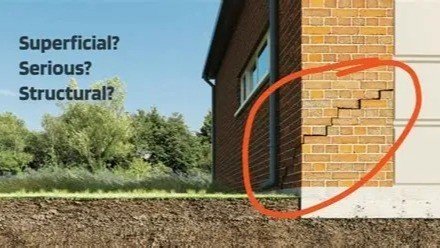
Cracks in Buildings — Detection, Prevention & How BPHome Inspections Help
Whether on external walls or roof/terrace surfaces, cracks are more than cosmetic—they are early clues to moisture ingress, structural degradation, or inefficiencies in thermal insulation. Proactive inspection and maintenance can save property owners thousands in long‑term damage and simply lost comfort.
1. Why Cracks Matter
- Cracks often signal dampness, corrosion, or settlement (especially near windows/doors), leading to collapsing plaster or interior leaks.
- Roof cracks or membrane failures accelerate water penetration, mold growth, and even cause structural decay after repeated freeze-thaw or ponding cycles.
BPHome Inspections: Supporting Prevention & Remedial Strategy
BPHome (from BPT Group) offers a 12‑point inspection suite specifically designed for Indian and Sri Lankan homes, including key zones relevant for detecting and managing cracks:
- Wall & Foundation Testing: Surveys cracks in plaster, damp stains, signs of seepage—assigns severity and recommends remedies.
- Roof & Terrace Survey: Checks waterproofing membranes, ponding zones, insulation & heat-reflective coatings.
- Structural & Seepage Evaluation: Identifies settlement symptoms and structural seepage memory signs even before surface cracks appear. bphomes.inlinkedin.com
BPHome’s standardized systems go beyond visual surveys by using moisture meters, digital slope-measure tools, thermal imaging (where needed), and produce engineer-grade maps & reports.
5. How BPHome Supports Crack Prevention
🔎 Early Detection (Preventive Maintenance)
- Screen for damp or hidden cracks inside wall finishes and ceilings before leaks appear.
- Identify missing slope or faulty expansion joints at parapets and terrace edges.
- Thermal imaging for moisture beneath waterproofing layers in terrace or roofing zones.
🛠 Remedial Actions Guided by Inspection
- Suggest pressure grout or epoxy injection for shrinkage or minor settlement cracks (≤ 1 mm).
- For structural shear or foundation cracks, recommend stitching, underpinning, or tie-bar reinforcement.
- Roof cracks are tackled with joint repair, membrane seal replacement, buffing or thermo-coating.
- In long-standing seepage zones, specify dig‑out, substrate shot-blast, primer and polymer‑modified mortar before tile‑screed topcoat.
Each inspection delivers a dashboard of severity, warranty-shelf life, and next‑date review—offered in a digital portal that can integrate into CMMS (Computerised Maintenance Management Systems).
6. Integrating Inspections into Maintenance Workflow
- Baseline Audit: Establish condition of past crack repairs and waterproofing cycles using BPHome grade scores.
- Assign Frequency:
- Triggered Response: Any growing or wet crack prompts immediate fibreglass-tell‑tale measuring or structural alert.
- Prevent Recurrence: Install or maintain control/expansion joints, waterproof flashing, and roof-slope integrity.
- Record & Communicate: Periodically communicate findings to facility managers, society accounts, or insurance audits.
- Not all cracks are structural, but all cracks can be gateways to moisture, decay, and discomfort.
- Skilled classification into hairline, settlement, shrinkage, or horizontal cracks helps decide maintenance action.
- BPHome’s structured inspections empower property owners to catch problems early, plan repairs strategically, and prioritize routine checks effectively.
- The result? Stronger buildings, longer-lasting finishes, and moisture/hazard‑free living or hospitality environments.
- Dr Balaji Singh
- Founder & CEO
- BPT Group